.svg)
.webp)


.webp)
What Are Peptides?
Peptides are short chains of amino acids that act as signaling molecules in the body. They help regulate processes like tissue repair, inflammation, cellular regeneration, and recovery after injury or intense activity.
In functional medicine, peptides such as BPC‑157 and TB‑500 have gained attention for their potential to support healing, improve recovery times, and promote overall tissue health when used under medical supervision.
BPC‑157 – The Local Healing Peptide
BPC‑157 (Body Protective Compound‑157) is a peptide originally derived from a protective protein found in the stomach. It’s studied for its possible role in:
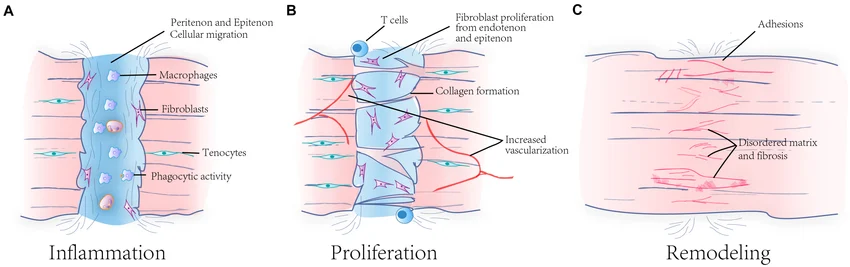
- Supporting tendon and ligament repair
- Boosting angiogenesis (blood vessel formation)
- Modulating inflammation around injury sites
- Supporting soft tissue regeneration
- Gastrointestinal lining support in experimental models
BPC‑157 is often described as acting locally — meaning it may help target specific injury sites for enhanced recovery outcomes.
TB‑500 – The Systemic Recovery Peptide
TB‑500 is a lab‑engineered version of Thymosin Beta‑4, a naturally occurring peptide involved in cell movement and healing. It’s known for:
- Enhancing systemic recovery (whole‑body support)
- Promoting cell migration toward injured areas
- Supporting vascular growth and flexibility
- Reducing broader inflammatory signaling
- May help with muscle, joint, and connective tissue recovery
Compared to BPC‑157, TB‑500 is thought to act more generally throughout the body, making it a common partner for broad‑based healing.
Why BPC‑157 & TB‑500 Are Often Combined
Together, this peptide duo is sometimes referred to in regenerative or performance circles for their complementary roles:
BPC‑157: Focuses on localized repair at the injury site
TB‑500: Works systemically to support circulation and broader tissue recovery
This synergy may help address both acute injury sites and overall recovery processes — though research, to date, remains primarily preclinical and not yet fully FDA‑approved for clinical use.
Potential Benefits
When discussed in functional or regenerative medicine settings, the combination of BPC‑157 and TB‑500 may offer support for:
- Accelerated muscle, tendon, and ligament healing
- Improved inflammation modulation
- Better mobility & flexibility during rehab
- Enhanced overall post‑injury recovery
- Adjunctive support alongside physical therapy and lifestyle approaches
Important: These peptides are investigational and should only be considered with healthcare provider guidance.
Safety & Sourcing Considerations
Because peptides like BPC‑157 and TB‑500 are not FDA‑approved therapies, quality and purity can vary widely in products marketed online. Common concerns include:
- Lack of verified purity or dosing standards
- Contamination risks from improper storage
- Unsupported claims by sellers
At Hawaii Natural Medicine, achieving safe and effective wellness outcomes is a priority — which is why we recommend clinical consultation and sourcing through regulated medical channels if peptide therapy is appropriate.
Is Peptide Therapy Right for You?
Peptide therapy including BPC‑157 and TB‑500 may be considered as part of:
- Recovery from soft tissue injuries
- Post‑surgical rehabilitation support
- Chronic inflammation management
- Athletic performance recovery
However, because research is still evolving and regulatory approval is limited, informed evaluation with a practitioner is essential.