.svg)
.webp)


.webp)
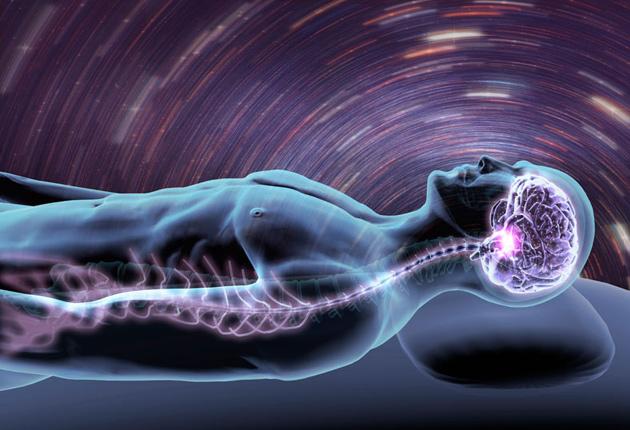
Sleep Is More Than Rest It's Your Body's Most Powerful Recovery Tool
Many people think of sleep as simply "turning off" for the night. In reality, your brain becomes remarkably active during sleep, coordinating an intricate series of repair processes that restore nearly every system in the body.
While you sleep, your autonomic nervous system (ANS) shifts from a state of stress and vigilance toward one of healing, regeneration, and balance. Your heart rate slows, inflammation decreases, damaged tissues begin repairing, memories consolidate, hormones rebalance, and your brain literally washes away metabolic waste.
When sleep is consistently disrupted, these restorative processes suffer. Over time, poor sleep can contribute to chronic fatigue, hormone imbalance, weight gain, cognitive decline, cardiovascular disease, immune dysfunction, anxiety, and accelerated aging.
At Hawaii Natural Medicine, we view quality sleep as one of the foundational pillars of longevity medicine. Alongside lifestyle optimization, nutrition, hormone balancing, and regenerative therapies, personalized peptide therapy may help support healthier sleep, recovery, and nervous system function in appropriate patients.
Understanding the Autonomic Nervous System
The autonomic nervous system controls the functions you don't consciously think about:
- Heart rate
- Blood pressure
- Breathing
- Digestion
- Body temperature
- Immune regulation
- Hormone release
- Stress response
- Sleep cycles
It has two primary branches:
Sympathetic Nervous System
Often called the "fight-or-flight" system, this branch prepares your body for action.
During sympathetic activation:
- Cortisol rises
- Heart rate increases
- Blood pressure climbs
- Blood sugar rises
- Digestion slows
- Muscles tense
- Inflammation can increase
This response is essential during emergencies—but modern life often keeps us stuck in this mode.
Parasympathetic Nervous System
Known as the "rest-and-digest" system, this branch promotes healing and restoration.
When parasympathetic activity dominates:
- Heart rate slows
- Blood pressure decreases
- Digestion improves
- Tissue repair accelerates
- Immune function becomes more efficient
- Stress hormones decline
- Growth hormone secretion increases
Healthy sleep is one of the strongest natural activators of the parasympathetic nervous system.
What Happens During Sleep?
Sleep isn't one continuous state. Your brain cycles through several stages approximately every 90 minutes.
Stage 1
A light transitional phase where muscles relax and brain activity begins slowing.
Stage 2
Body temperature drops.
Heart rate slows.
The brain filters memories and begins organizing information from the day.
Deep Sleep (Slow-Wave Sleep)
This is your body's primary repair stage.
During deep sleep:
- Growth hormone peaks
- Tissue repair accelerates
- Immune cells become highly active
- Muscle recovery occurs
- Bone remodeling begins
- Cellular repair increases
- Energy stores are replenished
Athletes, active adults, and anyone recovering from injury rely heavily on deep sleep for optimal recovery.
REM Sleep
Rapid Eye Movement (REM) sleep supports:
- Learning
- Memory consolidation
- Emotional regulation
- Creativity
- Problem-solving
- Brain plasticity
Insufficient REM sleep has been associated with mood disorders, impaired concentration, and reduced cognitive performance.
Your Brain's Nightly Cleaning Crew
One of the most remarkable discoveries in neuroscience is the glymphatic system.
This specialized waste-clearance network becomes significantly more active during deep sleep.
As cerebrospinal fluid circulates through the brain, it helps remove metabolic byproducts that accumulate throughout the day, including proteins associated with neurodegenerative diseases.
Although research is ongoing, maintaining healthy sleep appears to support long-term brain health and cognitive resilience.
Sleep and Hormone Production
Sleep directly influences nearly every major hormone.
Poor sleep may disrupt:
Growth Hormone
Critical for:
- Muscle repair
- Collagen production
- Fat metabolism
- Tissue healing
Cortisol
Healthy cortisol follows a natural rhythm.
Chronic sleep deprivation often keeps cortisol elevated, making it more difficult to:
- Lose weight
- Build muscle
- Control inflammation
- Manage stress
Insulin
Even one night of inadequate sleep can temporarily reduce insulin sensitivity, affecting blood sugar regulation.
Leptin and Ghrelin
Poor sleep lowers leptin (the satiety hormone) while increasing ghrelin (the hunger hormone), often leading to increased cravings and overeating.
Why Poor Sleep Keeps the Body Stuck in Stress Mode
When sleep quality declines, the nervous system often struggles to transition into parasympathetic dominance.
Common consequences include:
- Persistent fatigue
- Anxiety
- Brain fog
- High resting heart rate
- Digestive issues
- Increased pain sensitivity
- Elevated inflammation
- Slower recovery after exercise
- Reduced immune resilience
Over time, this imbalance can contribute to chronic disease and accelerated aging.
Heart Rate Variability: A Window Into Recovery
Heart Rate Variability (HRV) measures the variation between heartbeats.
Higher HRV generally reflects greater adaptability and stronger parasympathetic activity.
Lower HRV is commonly associated with:
- Chronic stress
- Sleep deprivation
- Illness
- Overtraining
- Burnout
Improving sleep quality is one of the most effective ways to improve HRV and overall nervous system resilience.
Can Peptide Therapy Support Better Sleep?
Peptides are naturally occurring chains of amino acids that act as signaling molecules throughout the body.
Certain peptides may support the biological processes involved in restorative sleep, tissue repair, hormone regulation, and recovery. While research continues to evolve, peptide therapy has become an area of growing interest within regenerative and longevity medicine.
At Hawaii Natural Medicine, peptide therapy is always personalized based on your health history, goals, and laboratory findings.
CJC-1295 + Ipamorelin
One of the most commonly prescribed combinations for recovery and healthy aging.
These peptides stimulate the body's own pulsatile release of growth hormone rather than supplying growth hormone directly.
Potential benefits may include:
- Improved overnight recovery
- Better muscle repair
- Enhanced body composition
- Healthier collagen production
- Increased deep sleep quality in some individuals
- Support for healthy aging
Tesamorelin
Tesamorelin is a growth hormone-releasing hormone (GHRH) analog that has been studied for its effects on visceral fat reduction and metabolic health.
For appropriate patients, it may also support:
- Recovery
- Body composition
- Healthy hormone signaling
- Sleep-associated repair processes
DSIP (Delta Sleep-Inducing Peptide)
DSIP has been investigated for its potential role in regulating sleep architecture and stress responses.
Although clinical evidence remains limited, ongoing research continues to explore its potential applications for improving sleep quality in select patients.
Epitalon
Epitalon has attracted attention in longevity research because of its potential relationship with:
- Circadian rhythm regulation
- Cellular aging
- Oxidative stress
- Healthy sleep patterns
More human research is needed before definitive conclusions can be made.
BPC-157
Although not considered a sleep peptide, BPC-157 may support recovery by promoting tissue healing and reducing discomfort. Patients experiencing chronic pain sometimes notice better sleep as discomfort improves.
Peptides Are Only One Piece of the Puzzle
No peptide can replace healthy sleep habits.
The most successful outcomes occur when peptide therapy is combined with evidence-based lifestyle strategies, including:
- Consistent sleep and wake times
- Morning sunlight exposure
- Regular physical activity
- Stress management
- Limiting caffeine late in the day
- Reducing alcohol intake
- Limiting screen exposure before bed
- Optimizing bedroom temperature and darkness
- Treating underlying conditions such as sleep apnea, hormone imbalance, or chronic pain
When to Seek Professional Help
If you experience any of the following for more than several weeks, it may be time for a comprehensive evaluation:
- Difficulty falling asleep
- Frequent nighttime awakenings
- Waking unrefreshed
- Loud snoring or gasping during sleep
- Chronic fatigue
- Persistent brain fog
- Weight gain despite healthy habits
- Reduced exercise recovery
- Ongoing stress or anxiety
These symptoms may reflect more than simple sleep deprivation—they can indicate nervous system dysregulation, hormonal imbalances, or other underlying health concerns.
A Personalized Approach to Better Sleep
Every patient has unique factors influencing sleep quality, including stress levels, hormones, metabolism, nutrition, inflammation, and medical history.
At Hawaii Natural Medicine, we take a comprehensive approach that may include:
- Functional laboratory testing
- Hormone optimization
- Nutritional support
- Lifestyle counseling
- Stress management strategies
- Regenerative medicine
- Personalized peptide therapy when appropriate
Our goal is not simply to help you sleep longer—but to help you achieve more restorative sleep so your brain and body can perform the repair work they were designed to do.
Frequently Asked Questions
Can peptide therapy replace sleep medications?
No. Peptides are not intended to replace prescription sleep medications. They may support natural recovery processes in appropriate patients but should only be used under medical supervision.
Are peptides safe?
When prescribed by a qualified healthcare provider and obtained through reputable compounding pharmacies, peptide therapy may be appropriate for certain individuals. Your provider will evaluate your medical history, medications, and health goals before recommending treatment.
How long does it take to notice results?
Response times vary. Some patients notice improvements within weeks, while others may require several months, especially when peptides are combined with lifestyle and hormone optimization.
Can poor sleep affect weight loss?
Yes. Poor sleep can influence hunger hormones, insulin sensitivity, cortisol levels, recovery, and energy expenditure, all of which can make weight management more challenging.
Final Thoughts
Sleep is one of the body's most sophisticated healing mechanisms. Each night, your autonomic nervous system shifts into repair mode—lowering stress, restoring tissues, balancing hormones, strengthening immunity, and supporting long-term brain health.
When sleep is compromised, these vital processes cannot function optimally. By identifying and addressing the root causes of poor sleep—whether through lifestyle changes, hormone optimization, or carefully selected regenerative therapies such as peptide therapy—you can support healthier aging, greater resilience, and improved overall well-being.
If you're struggling with poor sleep, chronic fatigue, or delayed recovery, the team at Hawaii Natural Medicine can help develop a personalized treatment plan designed to optimize your health from the inside out.