.svg)
.webp)


.webp)
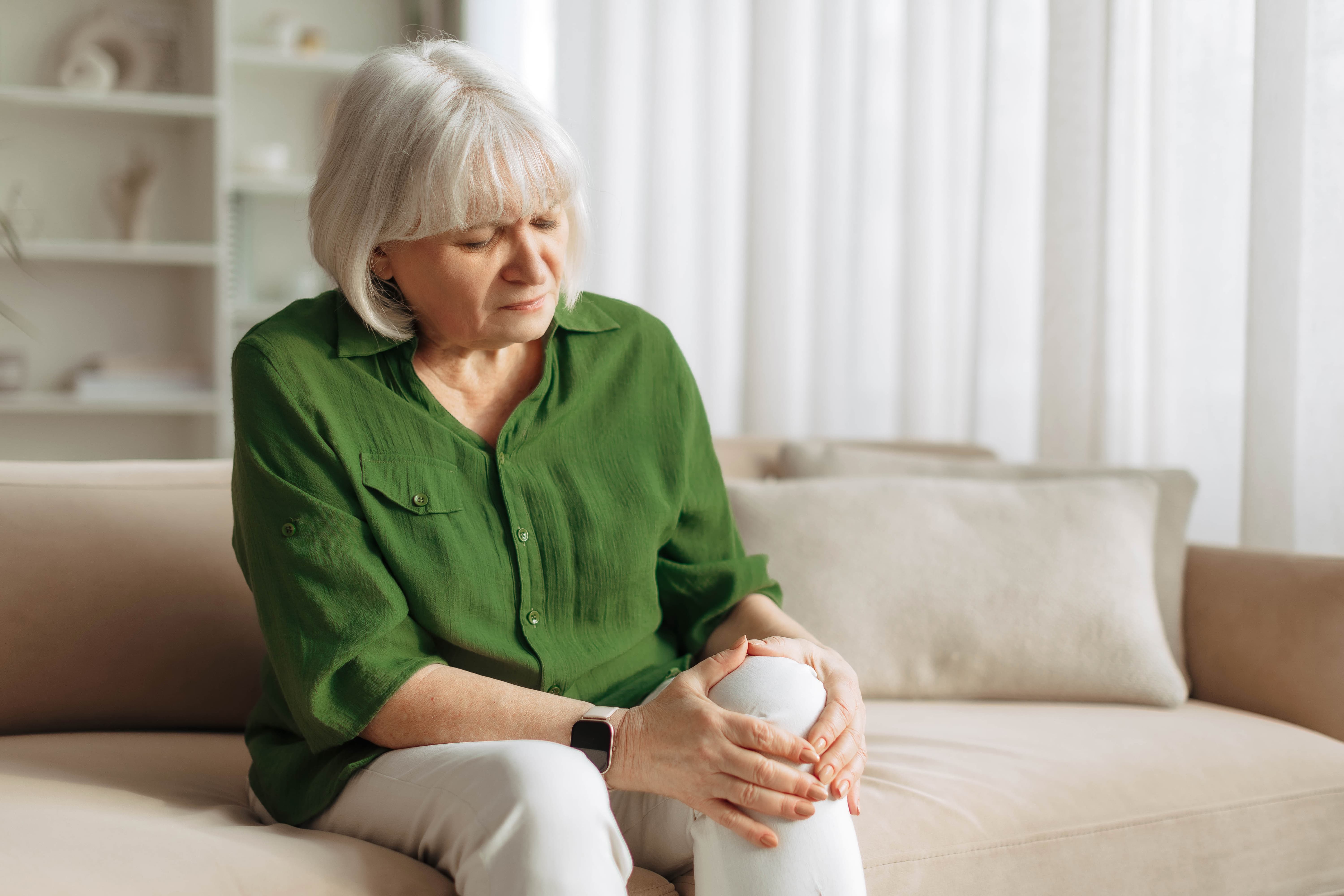
Why does a workout leave you sore for longer than it used to? Why can a minor injury take weeks to settle down? And why does recovery often feel different in your 40s, 50s, 60s, and beyond?
Aging does not mean the body stops repairing itself. Rather, the biological processes responsible for repair, regeneration, and recovery gradually become less efficient.
Changes in inflammation, blood flow, cellular function, collagen production, hormone signaling, muscle mass, and the body's ability to coordinate tissue repair can all contribute to slower recovery.
Understanding these changes is an important part of healthy aging. It also helps explain why regenerative medicine approaches such as platelet rich plasma (PRP), peptide therapy, nutritional support, hormone optimization, and other personalized treatments are being explored as tools to support the body's natural repair processes.
At Hawaii Natural Medicine, healthy aging is approached from a personalized perspective, with attention to the biological factors that influence how an individual heals and recovers.
What Changes in the Body as We Age?
Healing is a complex biological process involving immune cells, growth factors, blood vessels, connective tissue, hormones, and cellular signaling.
When you experience an injury or physical stress, the body typically moves through overlapping phases of inflammation, tissue formation, and remodeling.
With age, several parts of this process can become less efficient.
1. Cellular Repair Becomes Less Efficient
Cells continuously repair damage and maintain tissues throughout life. However, cellular function changes with aging.
Mitochondrial function can decline, cellular stress can accumulate, and the body's ability to maintain healthy tissue can become less robust.
These changes can influence how efficiently tissues respond to physical stress and recover afterward.
2. Collagen Production Declines
Collagen provides structural support for skin, tendons, ligaments, cartilage, and other connective tissues.
As we age, collagen production and remodeling change. Existing collagen can also become more damaged or less efficiently organized.
This can contribute to changes in:
- Skin elasticity
- Tendon resilience
- Joint tissue
- Ligament strength
- Muscle and connective tissue recovery
Because collagen is central to connective tissue repair, age related changes in collagen metabolism can influence recovery after injury and physical activity.
3. Blood Flow and Vascular Function Change
Healthy tissue repair requires oxygen, nutrients, signaling molecules, and immune cells to reach the area being repaired.
Aging is associated with changes in vascular function and circulation. Reduced vascular efficiency can affect the environment in which tissue repair occurs.
This does not mean older adults cannot heal well. It means the biological conditions supporting repair may require more time or additional attention.
4. Inflammation Can Become More Persistent
Inflammation is not inherently bad. Acute inflammation is an essential part of healing.
The problem can arise when inflammatory signaling becomes prolonged or poorly regulated.
Aging is associated with a gradual increase in chronic, low grade inflammatory activity, sometimes referred to as inflammaging.
Persistent inflammation can influence tissue function, metabolic health, muscle maintenance, and recovery.
The goal is not to eliminate inflammation. The goal is to understand why inflammatory signaling may be dysregulated and address the factors contributing to it.
Why Muscle Recovery Changes With Age
Muscle is particularly important for healthy aging.
Beginning in midlife, adults can gradually lose muscle mass and strength through a process known as sarcopenia. Reduced muscle mass can affect physical performance, balance, metabolic health, and resilience.
Muscle recovery can also become slower because of changes in:
- Muscle protein synthesis
- Physical activity levels
- Hormonal signaling
- Nutrition
- Sleep
- Mitochondrial function
- Neuromuscular function
This is one reason resistance training, adequate protein intake, appropriate nutrition, sleep, and individualized medical care become increasingly important as we age.
Hormones and Recovery
Hormonal signaling plays an important role in maintaining muscle, bone, connective tissue, energy, and other physiological functions.
Hormone levels and hormone responsiveness can change with age.
For some individuals, changes in hormones may contribute to alterations in:
- Muscle mass
- Strength
- Energy
- Body composition
- Sleep
- Recovery capacity
- Sexual health
Hormones are only one piece of the picture, however. A personalized evaluation should consider symptoms, medical history, laboratory findings, lifestyle factors, and overall health rather than assuming that every age related change is caused by a hormone deficiency.
The Role of Nutrition in Tissue Repair
The body cannot build or repair tissue without the necessary raw materials.
Protein provides amino acids required for muscle and connective tissue maintenance. Micronutrients support enzymatic reactions, antioxidant systems, immune function, and cellular metabolism.
As people age, several factors can make adequate nutrition more challenging, including changes in appetite, dietary patterns, digestion, activity levels, and metabolic needs.
A comprehensive approach to healthy aging therefore considers whether the body has the nutritional resources required to support recovery.
What Does Regenerative Medicine Have to Do With Aging?
Regenerative medicine focuses on supporting or restoring tissue function and the body's repair processes.
Rather than viewing aging as something that can simply be reversed, regenerative medicine explores ways to improve the biological environment surrounding damaged or aging tissues.
Depending on the individual and the treatment being considered, this may include approaches such as:
- Platelet rich plasma therapy
- Peptide therapy
- Nutritional optimization
- Hormone optimization
- Lifestyle interventions
- Other regenerative medicine strategies
These approaches do not all work in the same way, and evidence varies significantly depending on the treatment, condition, and specific application.
The most appropriate approach should therefore be based on the individual rather than a one size fits all protocol.
PRP and the Biology of Tissue Repair
Platelet rich plasma (PRP) uses a concentrated preparation derived from a person's own blood.
Platelets contain numerous signaling molecules and growth factors involved in biological processes such as tissue repair and vascular response.
During PRP treatment, a patient's blood is collected and processed to create a platelet concentrated preparation, which is then used in a targeted treatment.
PRP is being studied and used in several areas of regenerative medicine, including certain orthopedic and musculoskeletal applications and other specialized treatments.
The effectiveness of PRP can depend on many variables, including the condition being treated, preparation method, treatment protocol, tissue involved, and individual patient factors.
Peptides and Healthy Aging
Peptides are short chains of amino acids that can participate in biological signaling.
Interest in peptide therapy has grown because certain peptides are being investigated for their potential effects on pathways related to metabolism, tissue repair, inflammation, cellular signaling, and other physiological processes.
However, peptide therapy is not a single treatment. Different peptides have different mechanisms, research histories, regulatory considerations, and potential applications.
At Hawaii Natural Medicine, peptide therapy should be viewed as part of a broader personalized approach rather than a shortcut for reversing aging.
Why Recovery Is About More Than Age
Age is only one variable affecting recovery.
Two people of the same age can have dramatically different healing and recovery experiences.
Factors that may influence recovery include:
- Physical activity
- Muscle mass
- Nutrition
- Sleep quality
- Metabolic health
- Hormonal status
- Stress
- Circulation
- Existing medical conditions
- Medication use
- Previous injuries
- Inflammatory status
- Overall lifestyle
This is why personalized assessment can be more useful than simply asking, "What treatment is best for someone my age?"
The better question is:
What factors are affecting this individual's ability to recover, and which interventions are appropriate for that person?
Supporting Recovery as You Age
Healthy aging does not require avoiding physical stress. In fact, appropriate physical stress is an important stimulus for maintaining muscle, bone, cardiovascular fitness, and metabolic health.
The goal is to create an environment in which the body can respond appropriately to that stress.
A strong foundation includes:
Strength Training
Resistance exercise helps preserve muscle mass and strength and supports functional independence as we age.
Adequate Protein and Nutrition
Adequate protein and overall nutritional quality provide the building blocks needed for tissue maintenance and repair.
Quality Sleep
Sleep supports immune regulation, metabolic function, neurological health, and recovery.
Metabolic Health
Blood sugar regulation, body composition, cardiovascular health, and metabolic function can all influence long term health and recovery.
Appropriate Medical Evaluation
Persistent pain, unusual fatigue, recurrent injuries, or significant changes in recovery should not automatically be dismissed as "just aging."
Understanding the underlying factors can help identify opportunities for intervention.
When Slower Recovery Deserves a Closer Look
Taking longer to recover after an intense workout can be a normal part of aging.
But persistent or worsening symptoms deserve attention.
Consider discussing changes in recovery with a qualified healthcare professional if you experience:
- Persistent joint or muscle pain
- Recurrent injuries
- Significant loss of strength
- Unexplained fatigue
- Declining exercise tolerance
- Slow recovery from injuries
- Changes in body composition
- Persistent sleep problems
- Other unexplained changes in physical function
These symptoms can have many possible causes and should be evaluated in context.
The Future of Healthy Aging Is Personalized
Aging is not a single biological process.
It is the result of changes occurring across multiple systems, including cellular metabolism, inflammation, vascular function, hormones, connective tissue, muscle, and immune regulation.
That is why modern healthy aging strategies increasingly focus on personalized medicine rather than age alone.
Regenerative medicine, PRP, peptide therapy, hormone optimization, nutrition, and lifestyle interventions may each have a role in appropriate patients. The important question is how these tools fit into the larger picture of an individual's health.
At Hawaii Natural Medicine, Dr. Jené Ferrante takes a personalized approach to healthy aging and regenerative medicine, looking beyond a single symptom or treatment to understand the factors that may influence recovery, resilience, and long term health.
Frequently Asked Questions
Why does healing take longer as you get older?
Healing can become slower with age because of changes in cellular function, inflammation, blood flow, collagen production, immune response, muscle mass, and hormonal signaling. Lifestyle and underlying health conditions can also have a significant impact.
Is slow recovery a normal part of aging?
Some increase in recovery time can be expected with age, particularly after intense physical activity. However, persistent pain, repeated injuries, significant weakness, or unusually slow healing should not automatically be attributed to aging.
Does collagen decrease with age?
Collagen production and remodeling change as we age. This can contribute to changes in skin, tendons, ligaments, and other connective tissues.
Why is muscle recovery harder as we age?
Age related changes in muscle protein synthesis, physical activity, hormones, nutrition, and cellular metabolism can affect the body's ability to maintain and rebuild muscle tissue.
Can PRP help with recovery?
PRP is being studied and used for certain applications involving tissue repair, particularly in musculoskeletal medicine. Its effectiveness varies according to the condition, treatment protocol, preparation method, and individual patient factors.
What is peptide therapy?
Peptide therapy involves the use of specific peptides intended to influence biological signaling pathways. Different peptides have different mechanisms and levels of scientific evidence, so treatment should be individualized and medically supervised where appropriate.
Can peptides reverse aging?
There is no single peptide proven to reverse the aging process. Some peptides are being researched for potential effects on biological pathways associated with metabolism, tissue repair, inflammation, and cellular function, but research and regulatory status vary considerably between peptides.
Does hormone optimization improve recovery?
Hormonal changes can influence muscle, bone, body composition, energy, and other aspects of physiology. For appropriate patients, addressing clinically significant hormonal changes may be part of a broader health strategy. Hormone therapy should be based on an individualized medical evaluation rather than age alone.
What can I do to recover better as I get older?
Regular resistance training, adequate protein and overall nutrition, quality sleep, appropriate cardiovascular activity, metabolic health, stress management, and evaluation of persistent symptoms can all support healthy aging and recovery.
When should I see a healthcare provider about slow healing?
If recovery is significantly slower than expected, symptoms persist or worsen, injuries repeatedly occur, or you notice unexplained changes in strength, energy, or physical function, a medical evaluation can help identify potential contributing factors.
A Personalized Approach to Healthy Aging
Getting older does not mean giving up on strength, movement, recovery, or vitality.
It means understanding that the biology of recovery changes and that supporting health may require a more individualized strategy.
At Hawaii Natural Medicine in Honolulu, healthy aging and regenerative medicine are approached with the goal of understanding the individual factors that influence health and recovery.
If you are noticing changes in recovery, strength, energy, or physical resilience, schedule a visit with Hawaii Natural Medicine to explore what may be contributing to those changes and which options may be appropriate for you.